Many of us were taught to read Scripture looking for rules to follow, doctrines to defend, or facts to memorize. And there's a place for careful study. But somewhere along the way, we can lose sight of the Person the whole story is pointing to.
What happens when we read looking for God's character first?
Familiar passages begin to shine with new meaning. Stories that once seemed confusing reveal remarkable consistency when viewed through the life and teachings of Jesus. Ancient words start to feel like they were written for right now.

What Scripture Reveals
A God Who Has Always Been Love
If God's character were harsh, arbitrary, or eager to condemn, we might expect Scripture to read that way from cover to cover.
Instead, read as a whole, the story bends consistently toward mercy, patience, and rescue, culminating in Christ, who said if you'd seen Him, you'd seen the Father.
We've been reading the same words for centuries. What beauty might we have overlooked?
Scripture Stories
Bible Stories
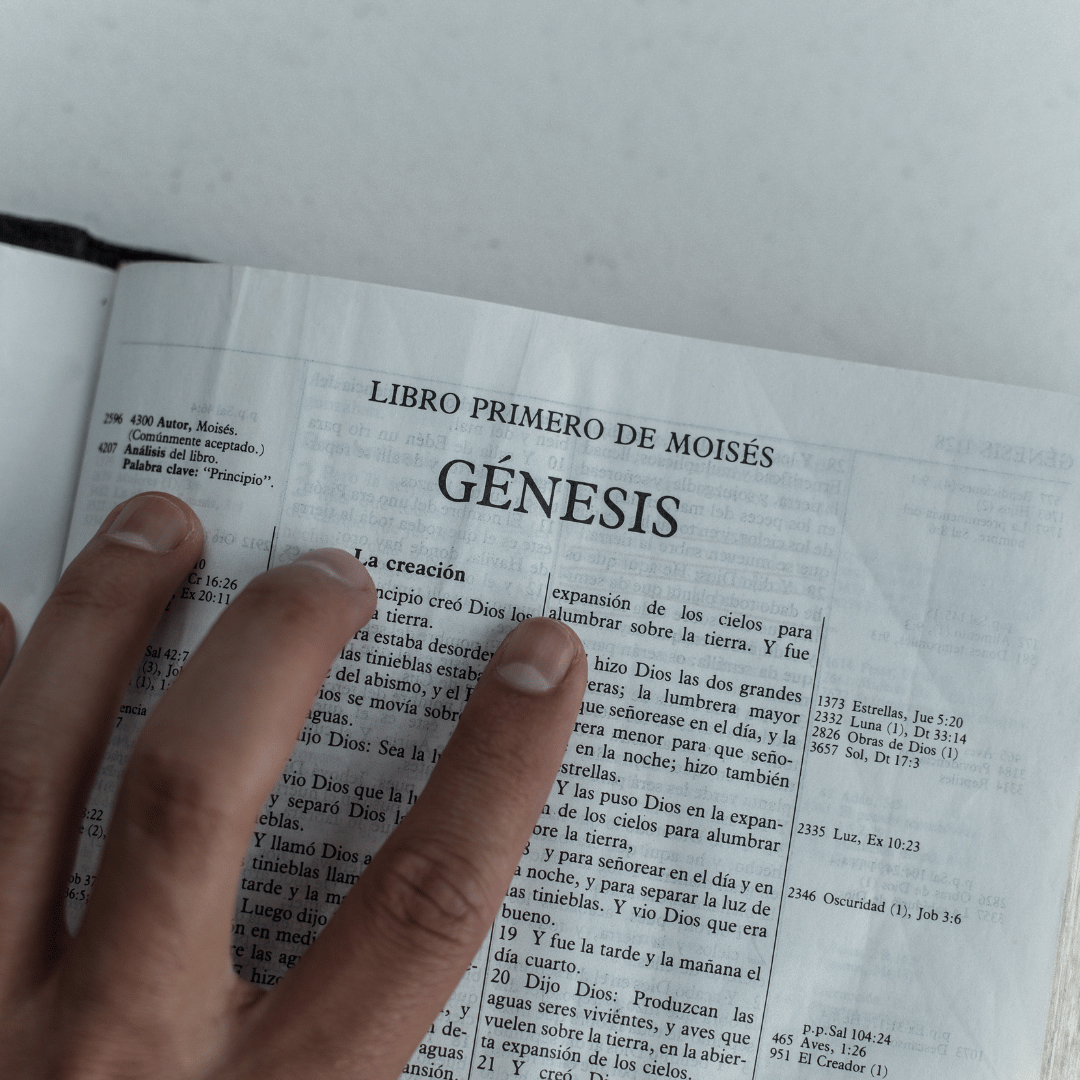
Bible Stories
The Bible's stories were never meant to be flattened into moral lessons or trivia. They're windows into how God actually moves... toward the outsider, the doubter, the ashamed, the exhausted.
When we read these stories looking for God's character, we start seeing ourselves and our own reality more clearly too.
What might a familiar Bible story reveal about God's heart if you
read it again, expecting to find love?
Windows Into Truth

Windows Into Truth
Some truths in Scripture aren't just facts to file away, they're windows into who God is. A single verse, name, or promise can open up into something far bigger than its surface reading.
This series slows down on specific biblical truths, asking not just "what does this mean," but "what does this reveal about His character."
What if the verse you've read a hundred times still has more to
show you about who God is?
Clarity in the Chaos

Clarity in the Chaos
Prophecy is often approached with fear....timelines, warnings, dread of what's coming. But prophecy in Scripture was never primarily meant to alarm us. It was meant to anchor us.
In a disorienting world, biblical prophecy points to a God who is
already writing the ending, and that ending is love.
What changes when you read prophecy not to predict disaster, but to find your footing?
Chapter & Verse

Chapter & Verse
Sometimes the clearest way to see God's character is to slow all the way down...walking through a single book or chapter verse by verse, letting its full context and arc come into view.
These studies go deep rather than wide, so a familiar book can surprise you all over again.
What might you notice in a book you've read many times, if you gave
it your full, unhurried attention?
A Different Lens
When we read looking for rules to keep or arguments to win, Scripture can feel heavy, confusing, or distant.
But when we read again, expecting to find love, the same words start to look different.
Stories become windows.
Verses become invitations.
Prophecy becomes anchor instead of alarm.
Slow study becomes discovery (and delight) instead of duty.
The words haven't changed. The lens has.
Ready to Keep Looking?
Scripture is one window. There's one more — the practical ministry that makes this love visible in the world.